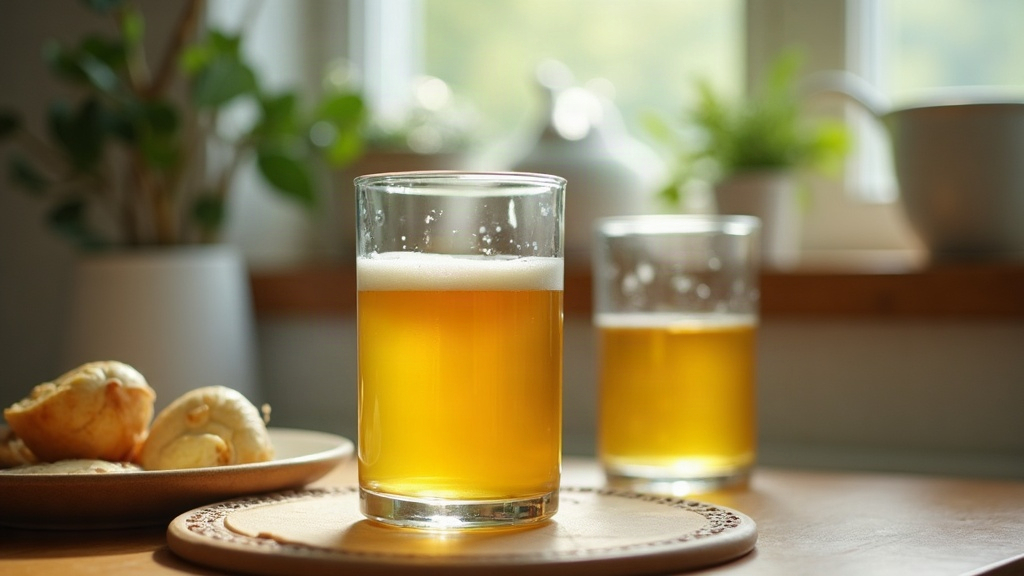
A Neighborhood Market Habit, Revisited

How a Neighborhood Market Habit Brought Biblical drink (oil)/ Honey blend Back to the Kitchen Table

Long before it had a label on a store shelf, Biblical drink (oil)/ Honey blend was something picked up between produce stalls on market day and folded into an ordinary meal — not a promise, just a habit worth understanding as part of how people already eat.

Everyday Nutrition  ·  Daily Habits  ·  Educational Content  ·  Everyday Nutrition  ·  Daily Habits  ·  Educational Content

The Rhythm Most People Recognize but Rarely Name

Ask around any neighborhood market on a Saturday morning and you’ll hear the same quiet complaints repeated in different words. Long before anyone mentions a diagnosis or a number, they describe a routine that has quietly become harder to manage — the plate, the clock, the decisions stacking up meal after meal.

The Afternoon Energy Rollercoaster

A heavy lunch followed by a sharp dip an hour later has become such a familiar pattern that many people schedule their day around it, without ever questioning why the slump keeps returning at the same point in the afternoon.

Mornings That Never Feel Fully Rested

Waking up tired despite a full night's sleep is one of the most common complaints heard at market stalls and coffee counters alike, often dismissed as simply part of getting older rather than something tied to daily eating rhythm.

Too Much Conflicting Advice About What to Eat

Between family recipes, headlines, and well-meaning friends, the question of what belongs on the plate has become genuinely confusing, and the confusion itself adds a layer of stress to something that used to be simple.

The Quiet Weight of Deciding Every Meal

Three times a day, every day, someone has to choose again — and for people paying closer attention to how they eat, that repeated decision can feel heavier than it looks from the outside.

Kitchen Talk: Separating Myth from Fact

Market stalls are full of strong opinions about carbohydrates, fruit, and so-called “diabetic food.” Here is what tends to hold up against a closer look at ordinary eating habits.

MYTH

All carbohydrates should be avoided at every meal, no exceptions.

FACT

Many traditional plates don’t remove carbohydrates outright — they simply pair them with fiber, protein, and portion awareness, which changes how a meal is experienced without eliminating entire food groups.

MYTH

Fruit is essentially sugar and should be treated with the same caution as candy.

FACT

Whole fruit eaten with its natural fiber behaves differently on the plate than the word “sugar” alone suggests, which is one reason it has remained part of everyday market baskets for generations.

MYTH

Only products labeled “diabetic food” are safe to buy.

FACT

Most household meals are built from ordinary market produce — vegetables, grains, legumes, and fruit — rather than specialty packaged items, and that has been true long before such labels existed.

Three Small Habits Around the Same Table

None of this replaces medical guidance, and nothing here should be treated as a reason to change a prescribed routine. These are simply habits many households return to when they want their meals to feel less chaotic.

01

Rethinking the Order on the Plate

Some families have long followed the habit of eating vegetables and protein before reaching for the bread or rice, treating the order of the meal as intentional rather than incidental.

02

Slowing Down the Pace of the Meal

A meal eaten over twenty unhurried minutes feels different from one finished in five, and many people who track their eating closely say the pace itself has become as much a habit as the food.

03

A Short Walk After the Last Bite

Stepping outside for a short walk after eating — even just to the corner and back — is a habit that shows up again and again in households built around market routines and home-cooked meals.

From Market Stalls to Modern Kitchens: The Story Behind Biblical drink (oil)/ Honey blend

The pairing of olive oil and honey has a long culinary history, referenced in ancient texts and passed down through Mediterranean and Middle Eastern kitchens as a simple, shared staple rather than a remedy. Vendors at open-air markets have sold the two side by side for generations — a small clay jar of honey next to a bottle of pressed oil — often bundled together as a gift between neighbors or drizzled over warm bread at the start of a meal. In some households it was stirred into warm water as part of a morning routine, in others folded into a marinade or spread across flatbread served at gatherings. What ties these uses together isn’t a claim about the body, but a place at the table: Biblical drink (oil)/ Honey blend has always belonged to the kitchen and the market stall, not the medicine cabinet.

Today the same jar still shows up in neighborhood markets, carried home in the same string bag as the vegetables and bread — a small thread connecting old kitchen customs to the modern shopping basket, nothing more.

Six Moments Worth Bringing Up With Your Doctor

A Noticeable Shift in Energy After Meals

If the after-meal dip has become sharper or more disruptive than it used to be, that change in pattern is worth describing to the healthcare professional who already knows your history.

Morning Tiredness That Doesn't Improve With Rest

Persistent fatigue despite consistent sleep is a detail your doctor can put into context far better than a general article ever could — it's worth mentioning at your next visit.

Ongoing Uncertainty About Portions or Meal Timing

If general guidance still leaves you unsure about how to structure your own meals, a conversation with your care team can help translate that guidance into something specific to you.

Meal Planning That Feels Emotionally Heavy

Decision fatigue around food is real, and if it's affecting your daily life, it's a reasonable thing to raise with your doctor rather than something to manage silently.

Any Unusual Change in Appetite or Thirst

Changes that feel different from your normal pattern deserve a conversation with the professional who monitors your health, rather than a guess based on something you read.

Questions About Introducing a New Food or Habit

Before adding anything new to your routine — including foods with a long culinary history like Biblical drink (oil)/ Honey blend — check with your doctor, especially if you follow a prescribed treatment plan. Nothing here should replace or delay that conversation.

Stories About Routine, Not Results

I used to dread figuring out dinner every single night. Rebuilding my week around a Saturday market trip made the decision-making feel lighter — it's less about willpower now and more about having a rhythm already in place.

Renee Alvarez
Illustrative account
The short walk after dinner started as something my neighbor mentioned in passing at the vegetable stand. Months later it's just part of how our evenings work, and honestly the meal feels more finished because of it.
Thomas Whitfield
Illustrative account
What changed for me wasn't a single food, it was slowing down. Eating the vegetables first, taking my time, not treating the meal like a task to finish — that shift in pace has made the whole day feel less rushed.
Priya Anand
Illustrative account

These accounts reflect individual experiences with everyday meal habits and routines. They are not evidence of any health outcome, are not a substitute for medical advice, and results and experiences vary from person to person.

Watch the Full Story Behind the Market Habit

See how Biblical drink (oil)/ Honey blend fits into a long tradition of everyday kitchen habits — and remember to keep up with your regular medical care and never change a prescribed treatment or medication without first talking to your doctor.

Advertising Disclosure: This is sponsored content created for advertising purposes. This page may contain affiliate links, and we may receive compensation if you make a purchase or take action through those links. This relationship helps support the content on this site.

Content Disclaimer: This content is provided for educational and informational purposes only and has not been evaluated by the FDA. It is not intended to diagnose, treat, cure, or prevent any disease or condition, and it does not constitute medical advice. This information is not a substitute for professional medical guidance. Always consult a qualified healthcare professional before making any changes to your diet, daily routine, or any prescribed treatment or medication.

Results Disclaimer: Individual experiences and results vary from person to person. Testimonials shared on this page reflect personal opinions and experiences and are not a guarantee of any specific outcome. Nothing on this page should be interpreted as a promise of results.

© 2026 · All Rights Reserved